Retaining Walls & Concrete Masonry
Engineered retaining walls and masonry structures that manage slopes and create usable outdoor space.
Why Properties Need Retaining Walls
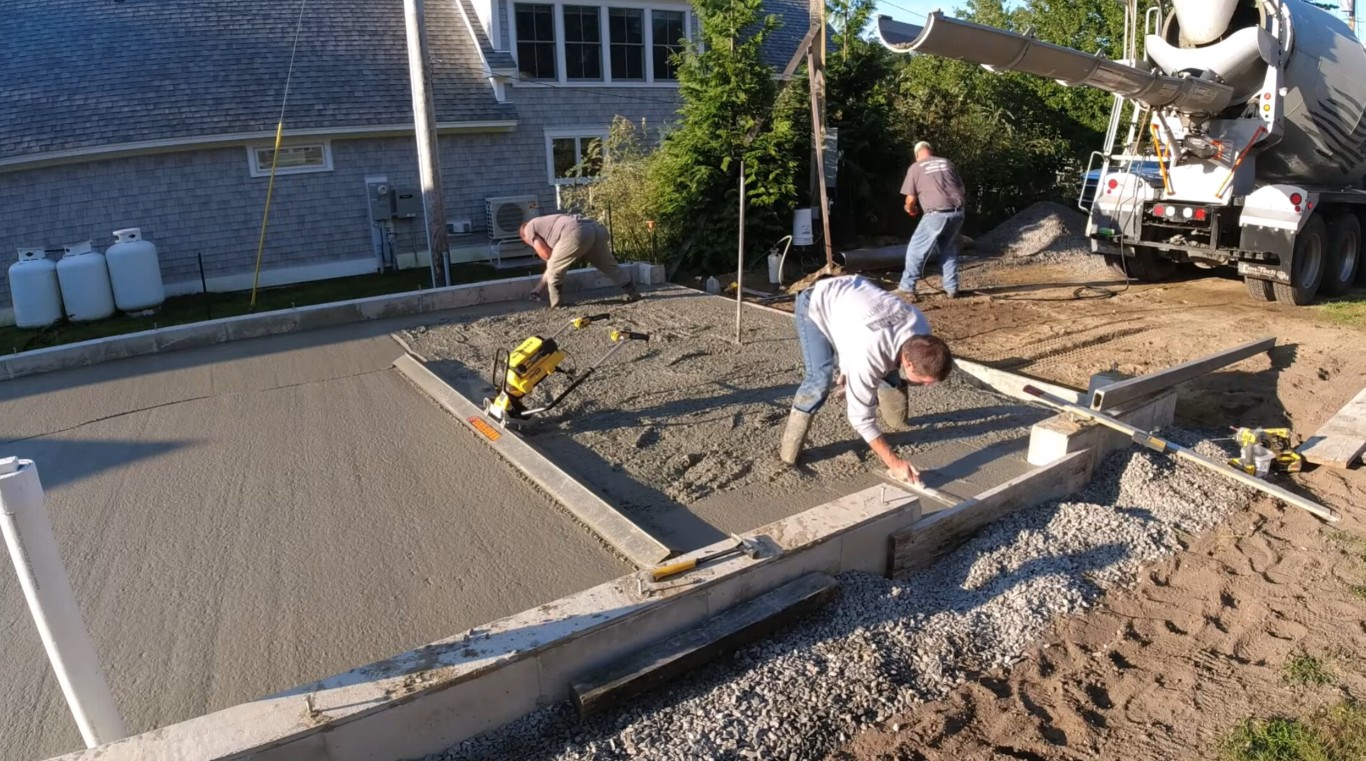
Retaining walls serve two main purposes: they hold back soil on sloped properties and create level, usable spaces. In Chino Hills, where many properties have natural slopes or terraced yards, retaining walls make it possible to have flat areas for patios, lawns, and gardens. They also prevent soil erosion and protect against landslides during heavy rain.
A properly designed retaining wall manages tremendous forces from soil pressure, water, and sometimes seismic activity. This isn't decorative work, it's structural engineering. Walls built without proper design, drainage, and construction techniques fail, sometimes catastrophically. We approach every retaining wall project with the understanding that it needs to perform safely for decades.
Retaining Wall Options
Different situations call for different retaining wall types. The choice depends on wall height, soil conditions, appearance preferences, and budget.
Common Wall Types
- ✓Cast-in-place concrete walls for permanent, structural applications
- ✓Concrete block walls for versatility and faster installation
- ✓Segmental retaining wall blocks for attractive, DIY-friendly options
- ✓Decorative stone veneer over concrete for upscale appearance
- ✓Concrete masonry units (CMU) for commercial applications
For taller walls or those retaining significant soil, engineering is required. We work with structural engineers to design walls that meet local building codes and provide appropriate safety factors. The goal is walls that look good and perform flawlessly, not just meet minimum standards.
How We Design Retaining Walls
Every retaining wall project starts with site evaluation. We need to understand soil conditions, slope angles, drainage patterns, and what's being retained. Clay soils common in Chino Hills create different pressure loads than sandy soils. Slopes above walls need analysis to ensure they're stable. Water management is critical because water pressure behind walls is a primary cause of failure.
Wall design considers height, soil type, surcharge loads from structures or vehicles above, and local seismic requirements. We calculate required footing size and depth, wall thickness, and reinforcement. Drainage design includes weep holes, gravel backfill, and often drain pipes to keep water from building up behind walls.
For walls over certain heights, building codes require engineering stamps and permits. We handle this process and coordinate inspections at required stages. Even for shorter walls that don't legally require engineering, proper design principles ensure walls that last. Our experience with foundation work translates directly to retaining wall construction.
Building Retaining Walls That Last
Construction starts with excavation for the footing. This must extend below frost depth and reach stable soil. The footing width and depth depend on wall height and soil bearing capacity. We pour footings with proper reinforcement, then build the wall structure once footings cure.
For cast concrete walls, we set forms to precise heights and alignments, place vertical and horizontal reinforcement, then pour concrete in lifts if needed for tall walls. Block walls get laid with proper mortar joints and vertical reinforcement grouted solid. We maintain alignment and plumbness throughout construction because walls that lean or bulge indicate problems.
Backfilling happens in controlled layers with compaction between lifts. We install drainage systems as backfilling progresses. This includes weep holes at regular intervals, gravel backfill directly behind walls for drainage, and drain pipes at the footing level when needed. Proper drainage is as important as wall strength itself. We also coordinate with other work like patios or driveways that connect to retaining wall areas.
Making Walls Attractive
Retaining walls don't have to look industrial. Concrete and masonry offer numerous finish options. Smooth concrete can be painted or stained. Textured finishes add visual interest. Stone veneer applied to concrete walls creates an upscale, natural appearance.
Interlocking segmental blocks come in various colors, textures, and sizes. These create walls with built-in aesthetic appeal without additional finishing. Cap stones add a finished top edge and protect walls from water penetration. Integrated lighting can highlight walls at night and improve safety around terraced areas.
Need a Retaining Wall or Masonry Work?
Contact us for a site evaluation and detailed proposal for your retaining wall project.
Call (909) 729-4539